A better pantry starts with the meals you actually make
Graza, Fishwife and Eat Sessy show three different ways a pantry staple can earn its space: daily cooking, a quick meal and finishing flavor.
By Storehunting Editorial
This guide is based on official product details, not a taste test or first-hand account. Product information checked October 2, 2026.
A pantry is useful when you can picture a meal from what is already there. Buying beautiful jars and tins first can leave you with a shelf of special occasions. A better test for any new staple is: What familiar meal will I make with it this week?
Choose an oil for the step in the recipe
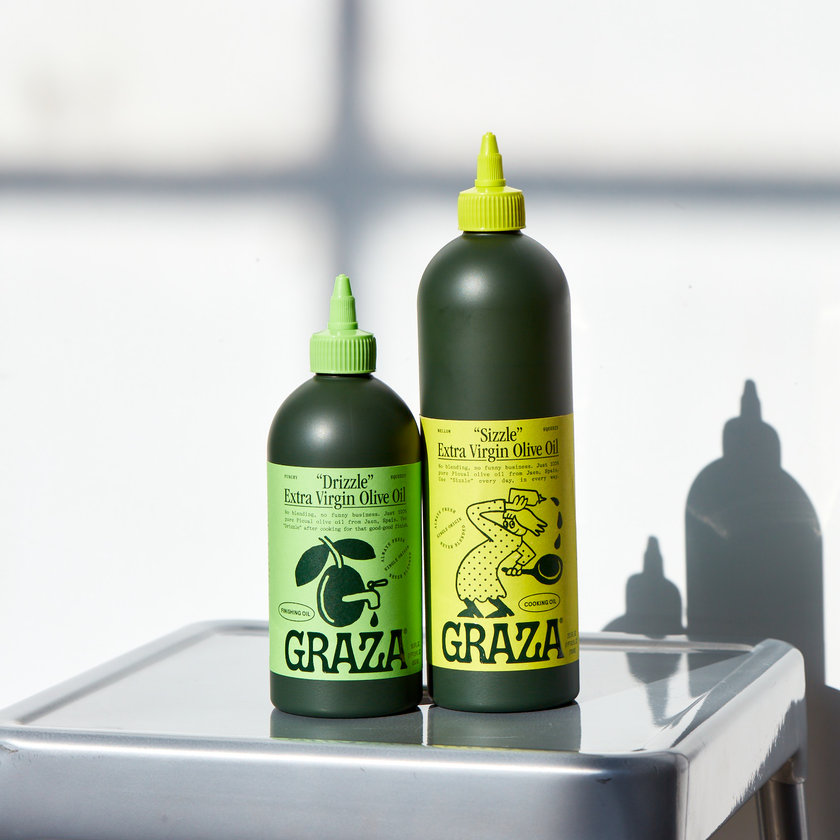
Graza splits its olive oil into Sizzle for everyday cooking and Drizzle for finishing. Both are extra-virgin olive oils, but the brand positions the milder Sizzle for heat and the bolder Drizzle for adding flavor at the end. You do not need both to cook dinner. If you mainly roast vegetables or sauté, start by checking the cooking oil. If you already cook with an oil you like and want a final accent for bread or salad, a finishing oil has a clearer job.
Check bottle size and storage guidance before adding more oil than your household will use. Graza's squeeze format is convenient for controlled pouring, but the cap and bottle only help if you keep the oil in the conditions the label recommends.
Keep a quick meal in reach
Fishwife offers smoked rainbow trout packed in olive oil. The brand lists trout, olive oil, garlic and salt in the ingredients and suggests pasta, dip or sandwiches as uses. That is more useful than treating the tin as a novelty: it can be the centerpiece of lunch with bread, greens or cooked grains already in the kitchen.
Read the specific tin for ingredients, allergens, net weight and storage directions. Fishwife's trout contains fish; other tinned seafood varieties may differ. A brand-wide impression is a poor substitute for the label in your hand.
Add a condiment with several uses
Eat Sessy groups soy sauce, sesame oil and gochujang in its Korean Pantry Essentials set. Its product page suggests soy sauce for seasoning and braising, sesame oil as a finish, and gochujang for sauces and glazes. It also gives different storage directions: the gochujang should be refrigerated after opening. The set's ingredient list identifies soy, wheat and sesame allergens across the products.
You can make a practical shopping list from those roles. Choose one cooking base, one easy meal and one finishing flavor you already know how to use. Then check each product's label and storage instructions. A pantry works best when its contents move into dinner, not when they wait for an imagined recipe.
Pantry brands in this story