Road, trail or daily life: start with the surface under your shoes
Hoka, On and Allbirds make shoes for different jobs. Match the outsole and intended use to where you move before choosing a silhouette.
By Storehunting Editorial
This guide uses the brands' published product descriptions; it is not a wear test or a fit recommendation. Product information checked October 2, 2026.
The word “runner” on a shoe is not enough to tell you where it belongs. A road commute, an uneven trail and a day of errands put different demands on the outsole and upper. Start with the surface you use most, then look for the model built for that job.
Road shoes are a starting point, not a universal answer
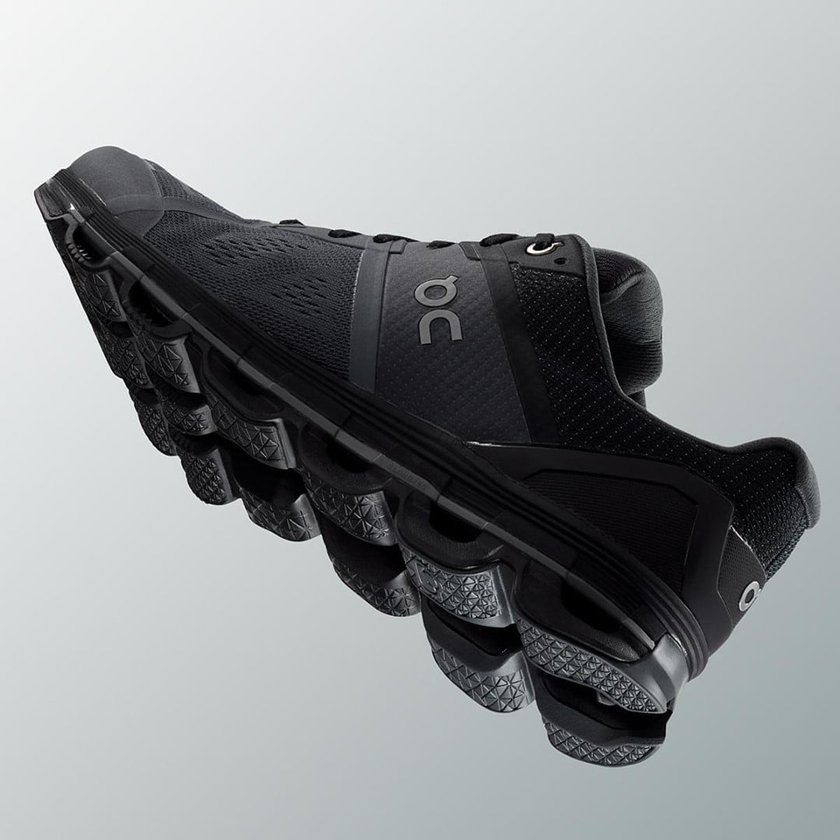
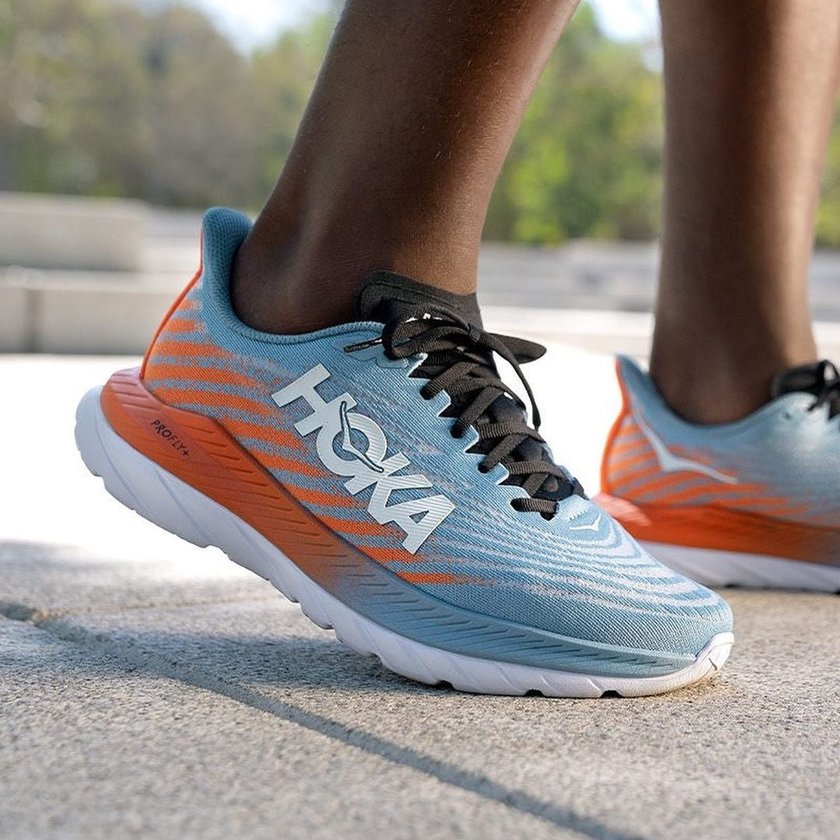
Hoka describes its Clifton as an everyday road-running shoe. On separates the same idea further in its Cloudsurfer collection: the Cloudsurfer 2 is positioned for easy everyday runs, while the Next targets faster sessions and the Max longer distances. These descriptions are useful filters, not independent performance tests. If you mostly run on pavement, begin with the road category, then decide whether you prefer an easy-day or faster-training brief.
Fit deserves its own decision. Check the brand's size chart and return policy, and try the shoes with the socks you actually wear. Room at the front, a secure heel and an upper that does not pinch matter more than a model's popularity. The right size in one brand does not guarantee the right fit in another.
Trail changes the outsole question
Hoka markets its Speedgoat 6 for trail running, with more aggressive traction than its road-focused models. On's Cloudsurfer Trail 2 is presented for road-to-trail routes and uses a Missiongrip outsole. Those labels give you a practical distinction: a smooth, paved route and an uneven, loose one should not automatically lead to the same shoe.
If your route mixes pavement and maintained paths, a road-to-trail model may be worth examining. If it regularly includes mud, loose rock or steep ground, inspect the outsole and the brand's terrain guidance more closely. The product page cannot tell you how a shoe will grip on your exact route, so avoid treating category names as a safety guarantee.
A casual shoe can have a running name
Allbirds describes its Wool Runner as a classic casual shoe for errands, walks and daily wear. Its “Runner” name should not make it your default pick for a training plan. The brand also publishes specific washing instructions, which may be more useful to a daily wearer than a race specification.
Write down where the next hundred outings will happen. Mostly sidewalks and running sessions? Start with road models. Mostly dirt and uneven paths? Start with trail models. Mostly commuting and walking? A casual shoe may fit the job. Let the intended use narrow the field, and let fit make the final decision.
Footwear brands in this story